Edge computing has become a key technology for organisations that depend on fast data, real time insights and secure digital services.
As cloud platforms grow and the volume of data produced at the network edge increases many businesses need a smarter way to process information closer to where it is created. Edge computing supports this shift by improving performance flexibility and control.
A Simple Explanation of Edge Computing
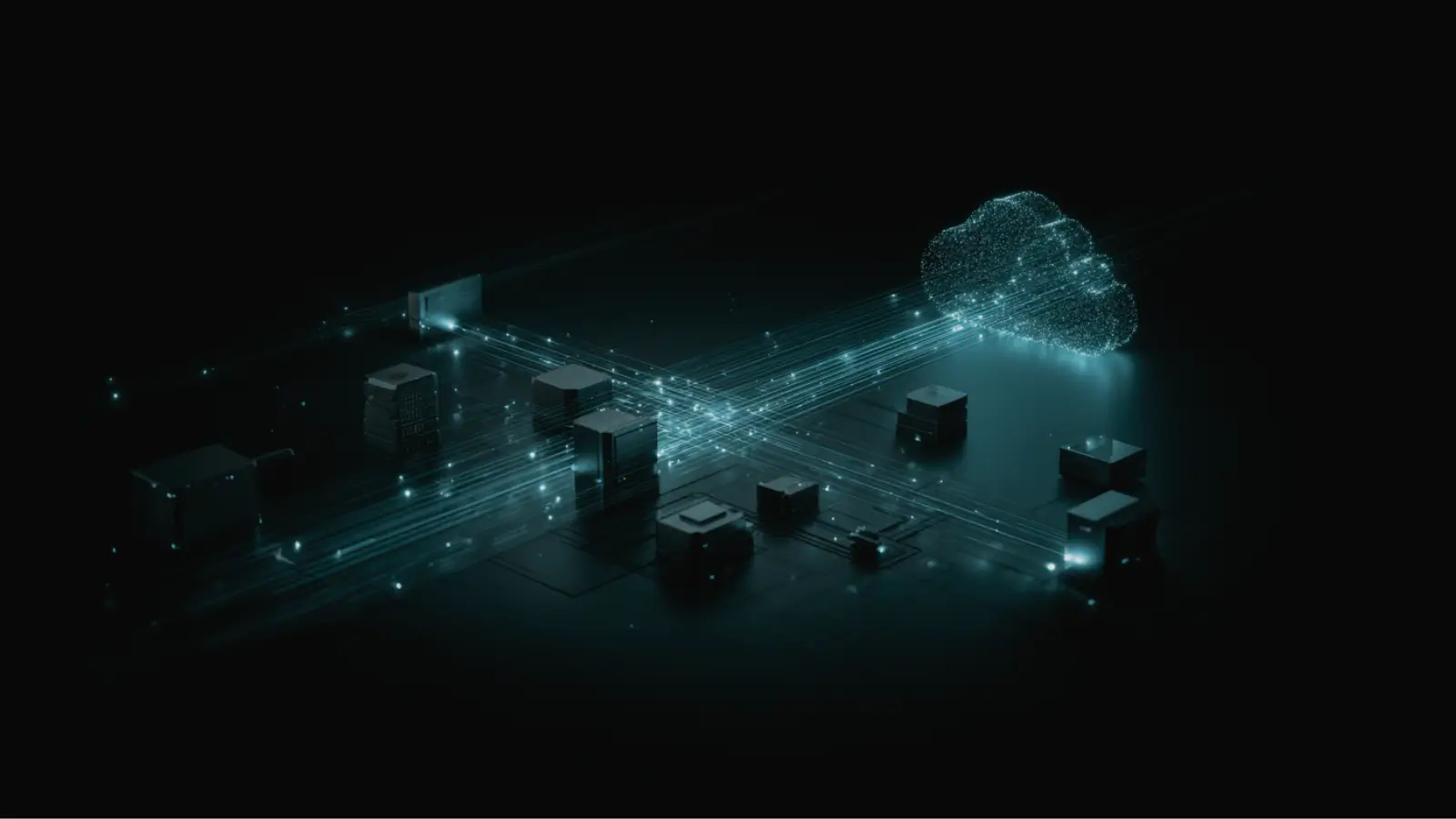
Traditional models move data from devices to a central cloud or data centre for processing. Edge computing changes this by placing compute power closer to the point where data is generated. Devices or local gateways handle much of the processing on site which reduces the distance data must travel.
This approach improves speed reliability and bandwidth use. It allows applications to run more efficiently and creates smoother more responsive user experiences.
Why Edge Computing Is Important for Business
Edge computing is becoming essential for organisations that want faster performance stronger resilience and more intelligent use of data.
By processing information closer to where it is created businesses can reduce delay improve reliability and support real time insight at scale.
The benefits extend across nearly every industry which is why edge capabilities are now a core part of modern digital strategy.
 Faster decision making
 Reduced reliance on cloud round trips allows real time responses.
This is critical for sectors that depend on immediate insight such as retail manufacturing healthcare logistics and finance.
 Greater resilience and availability
 Local processing supports continuity even when cloud connections are slow or unavailable.
This strengthens uptime and reduces operational risk for organisations with distributed or remote locations.
 Better security and compliance
 Keeping sensitive information closer to the source reduces exposure and helps meet data protection requirements.
UK organisations benefit from simplified compliance with standards such as GDPR and internal governance rules.
 Lower bandwidth and cloud costs
 Processing at the edge means only essential data is sent to the cloud.
This reduces traffic and supports more predictable cloud consumption.
 New opportunities for innovation
 Edge computing enhances AI models Internet of Things systems and automated processes.
Organisations can create personalised experiences streamline workflows and modernise service delivery.
Practical Business Uses of Edge Computing
Organisations across many sectors are already using edge capabilities to gain measurable advantage. Examples include:
- Smart retail stores that analyse footfall in real time to optimise layouts and staffing
- Manufacturing sites that use sensor data to predict failures and improve worker safety
- Financial teams that detect fraudulent activity as it happens
- Transport and logistics operations that track vehicles and plan efficient routes
- Healthcare providers that deliver faster diagnostics and improved patient monitoring
Each example shows how lower latency and improved control support better outcomes.
Cisilion: Helping Your Organisation Realise the Value of Edge Computing
Cisilion works with clients to design and deliver edge capabilities that support long term digital strategy. Our focus is to help you turn fast data and real time intelligence into measurable business value.
With Cisilion you can:
- Modernise your architecture by combining edge processing with cloud platforms for scalable and consistent performance
- Strengthen security with protected data flows and governance models that support compliance and internal policy
- Accelerate AI adoption through low latency environments that support real time insights and automation
- Reduce operating cost by optimising what data is processed locally versus in the cloud
- Improve user experience with faster applications and more reliable services across all sites
Our consultative approach ensures that edge computing is delivered as part of a wider digital transformation strategy rather than a standalone technology choice.
How Edge Computing Supports Digital Transformation
For digital leaders across the business community edge computing strengthens the foundation for data driven growth. It enables organisations to:
- Deliver faster customer journeys
- Adopt AI supported insight with lower risk
- Connect digital and physical environments in more meaningful ways
- Build scalable architectures across cloud and on site environments
As more enterprise platforms integrate native edge capabilities it is becoming a core enabler of modern transformation.
Edge computing is no longer an emerging idea. It is a practical technology that helps organisations work faster safer and more efficiently.
By processing data closer to where it is created businesses can unlock new value reduce cost and deliver stronger experiences for customers and employees.