Artificial intelligence is transforming cybersecurity, but will it replace the Security Operations Centre (SOC)?
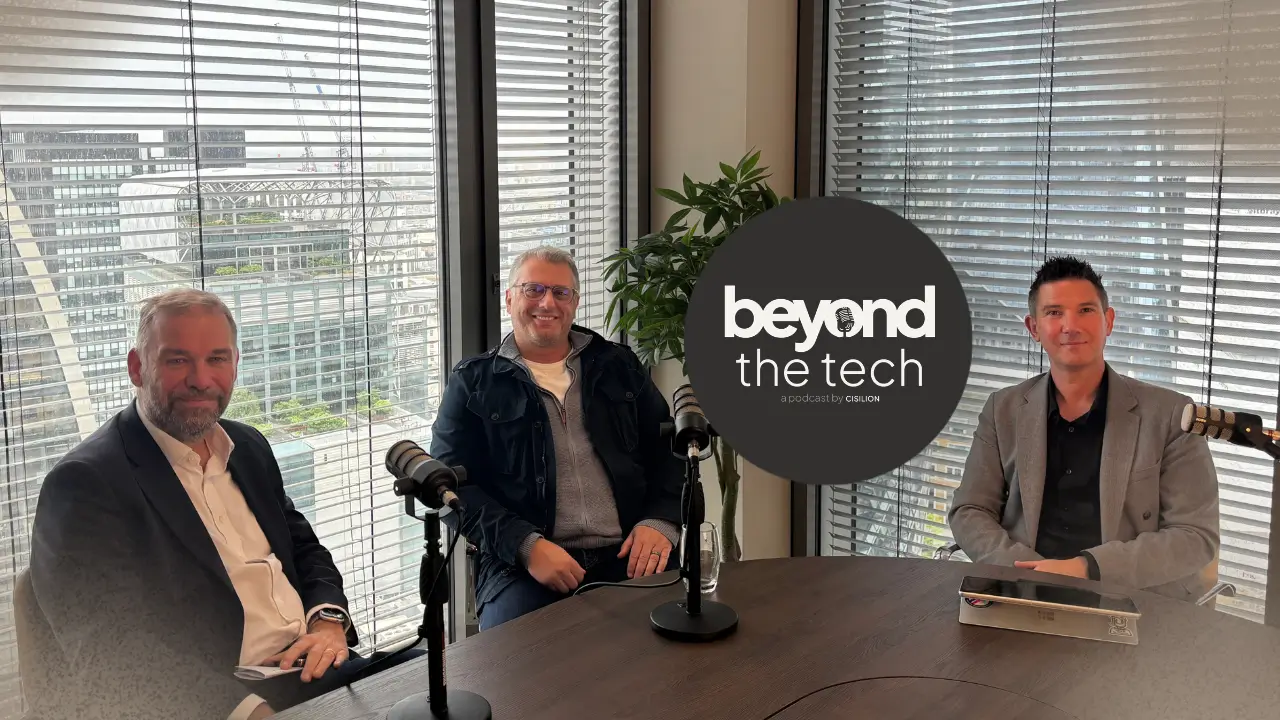
In Episode 14 of Beyond the Tech, Alex Hooper, Director of Services and Business Transformation, sits down with Cisilion CTO Rob Quickenden and Performanta Co-Founder and CEO Guy Golan to discuss how security operations are evolving and what organisations need to prioritise as AI adoption accelerates.
Want to learn how AI, automation and human expertise are reshaping security operations?
Watch Episode 14 of Beyond the Tech to hear Cisilion and Performanta discuss the future of the SOC and the practical steps organisations can take to strengthen cyber resilience.
AI Is Changing Security Operations
AI is already improving how security teams identify threats, investigate incidents and respond to risks. Tasks that once took hours can now be completed in minutes or even seconds, allowing security professionals to focus on higher-value activities.
However, the discussion highlighted a crucial point: AI works best as part of a team. While it can process vast amounts of information and automate repetitive tasks, organisations still need experienced professionals to provide context, judgement and oversight
Why Human Expertise Still Matters
One of the strongest messages from the episode was that cybersecurity remains a human challenge as much as a technology challenge.
AI can identify suspicious activity and recommend actions, but critical decisions often require an understanding of business context, operational impact and risk tolerance. Security leaders must balance automation with expert decision-making to ensure organisations remain protected without disrupting productivity
From Alert Management to Risk Reduction
Traditional SOCs focused heavily on monitoring alerts and responding to incidents. Today’s most effective security operations teams take a more proactive approach.
Rather than simply reacting to threats, organisations should prioritise reducing risk before incidents occur. Vulnerability management, patching strategies, identity protection and continuous monitoring all play an important role in shrinking the attack surface and improving resilience.
Identity Security Remains a Critical Priority
Identity continues to be one of the most valuable targets for attackers.
The podcast explored how organisations must go beyond traditional security tools and place greater emphasis on identity protection, access controls and user awareness. As cyber threats become more sophisticated, understanding who has access to what and how those identities are protected is fundamental to a strong security strategy.
The Future SOC Will Be Built Around Outcomes
Perhaps the most important shift discussed was moving away from technical metrics and focusing on business outcomes.
Security teams increasingly need to communicate in terms that boards and business leaders understand: operational resilience, risk reduction, trust and business continuity. The organisations that succeed will be those that combine AI, automation, skilled people and effective processes to deliver measurable security outcomes.
AI is undoubtedly changing cybersecurity, but it is not replacing security teams. Instead, it is enabling them to become faster, more proactive and more effective.
The future SOC will combine intelligent automation with human expertise, helping organisations reduce risk, improve resilience and respond more effectively when incidents occur
The Cisilion & Performanta Partnership
The themes discussed throughout this episode reflect the strategic partnership between Cisilion and Performanta, helping organisations strengthen cyber resilience through a combination of managed security services, AI-driven threat detection, security operations expertise and Microsoft-aligned security solutions.
Together, Cisilion and Performanta help organisations reduce cyber risk, improve visibility across their environments, simplify security operations and gain greater value from existing Microsoft security investments.
Whether you’re looking to strengthen your security posture, enhance detection and response capabilities or build a more resilient operating model, our teams can help.
Learn more about this partnership and discover how a proactive, outcomes-led approach to cybersecurity can support your organisation’s security goals